Pererenan, Canggu, and Uluwatu: How the Three Markets Actually Differ
A street-level comparison of Bali’s three most watched luxury pockets — who buys, what rents, and why land values have not moved in lockstep.
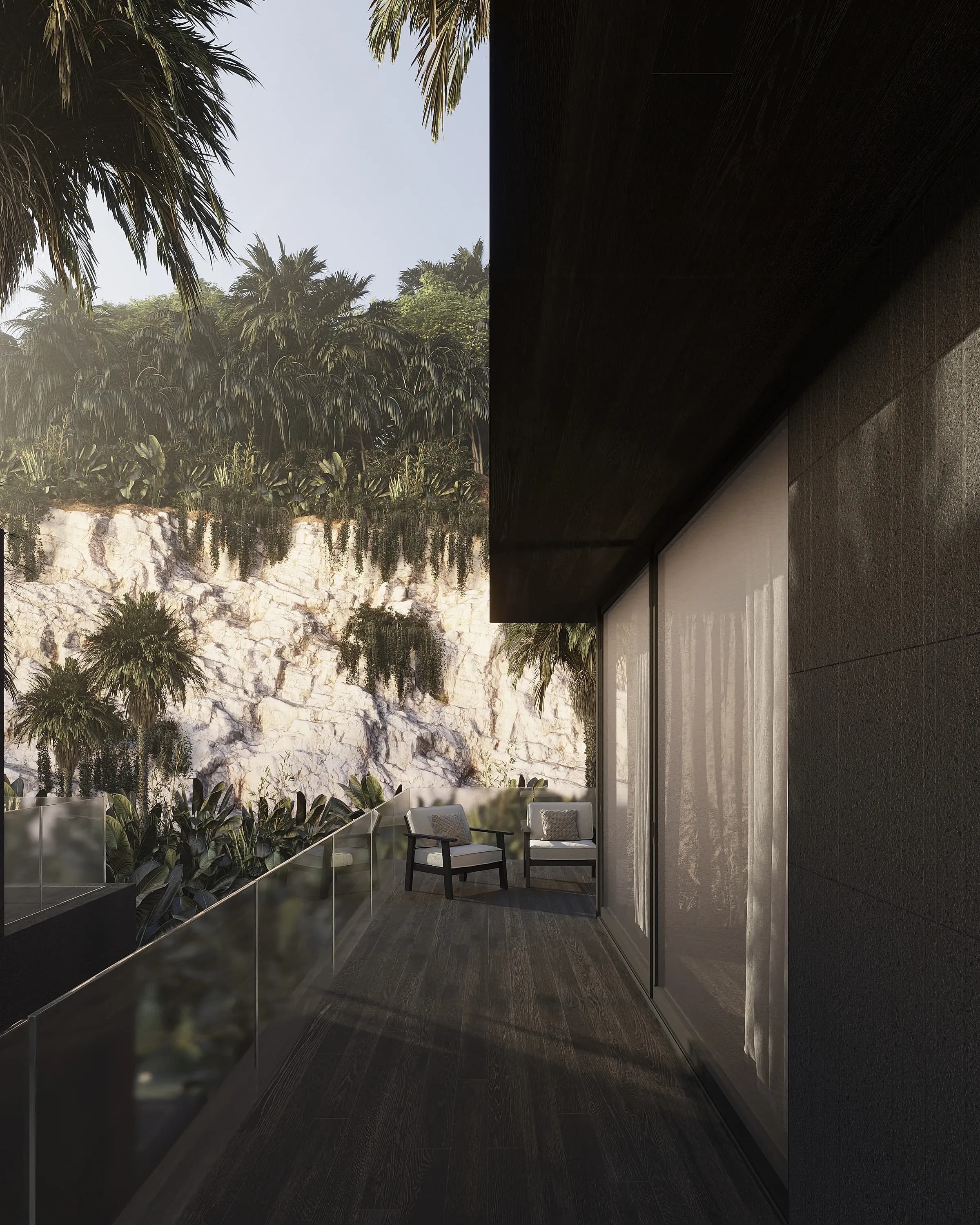
Investors often treat the southwest coast as one market. It is not. Canggu, Pererenan, and Uluwatu share a tourism cycle and little else: guest profile, land grain, build cost, and exit buyer are different. Understanding that is the difference between a villa that stays booked and one that competes on discount.
Canggu: density, demand, and the premium for calm
Canggu is still the deepest short-stay demand pool on the island — cafes, coworking, beach clubs, and a year-round international crowd. That depth supports occupancy. It also means traffic, tighter plots, and a streetscape that is no longer quiet. The villas that outperform here are the ones that buy privacy back: setbacks, mature gardens, and a house that does not feel like it sits on a restaurant service lane.
Entry product — studios and compact residences in pockets such as Babakan — still has a role for first-time capital. The underwriting question is not “is Canggu finished?” It is “does this unit have a guest who will choose it over a hundred similar listings?” Shared amenities and a managed community can answer that. A generic two-bed without identity usually cannot.
Pererenan: the corridor that absorbed the overflow
Pererenan and Tumbak Bayuh became the natural extension of Canggu as the coast filled in. The draw is straightforward: you are still close to the Canggu catchment, but the land parcels are larger, the rice-field edges last longer, and the guest who wants a house rather than a scene will pay for it.
- Strongest fit: 3–4 bedroom villas with a private pool and a garden that photographs well.
- Buyer: owner-occupiers who will rent the house when they are away, and pure investors who want Canggu demand without Canggu congestion.
- Risk to watch: speculative infill that erodes the very openness people are paying for.
This is why we placed The Linea Pererenan and Lara Residence in Tumbak Bayuh. The architecture is meant to hold its value when the next row of villas appears — concrete, timber, and landscape that still reads as a house, not a nightclub annex.
Uluwatu: view, seasonality, and a higher ticket
Uluwatu sells a different product: cliff, ocean, and a slower, more cinematic stay. Nightly rates can be exceptional. Occupancy is more seasonal, and the guest is often a group, a retreat, or a couple who planned the trip around the view. That means larger houses, higher staffing, and a land basis that already prices in the vista.
The Bukit is not a cheaper Canggu. It is a luxury segment with a thinner but higher-spending demand curve. Off-plan here only works if the architecture actually captures the ocean — a villa that could sit in any inland street will not earn an Uluwatu rate.
How we would choose between them
If you want the deepest rental calendar and can accept tighter land, start in Canggu with a differentiated product. If you want a house that still feels residential and sits in the path of Canggu demand, Pererenan is the more balanced hold. If you want a landmark asset and can underwrite seasonality, Uluwatu is the market that can still surprise on rate.
Do not buy a village name. Buy a street, a view, and a guest you can name.
Our team walks sites in all three pockets every week. If you want a comparison against a specific budget — not a generic heatmap — that is the conversation to start.